
2026
On Facilitating the Use of Industrial and Transport Lands for Energy Purposes / for Combined Renewable Energy Use
Land Code
Ongoing
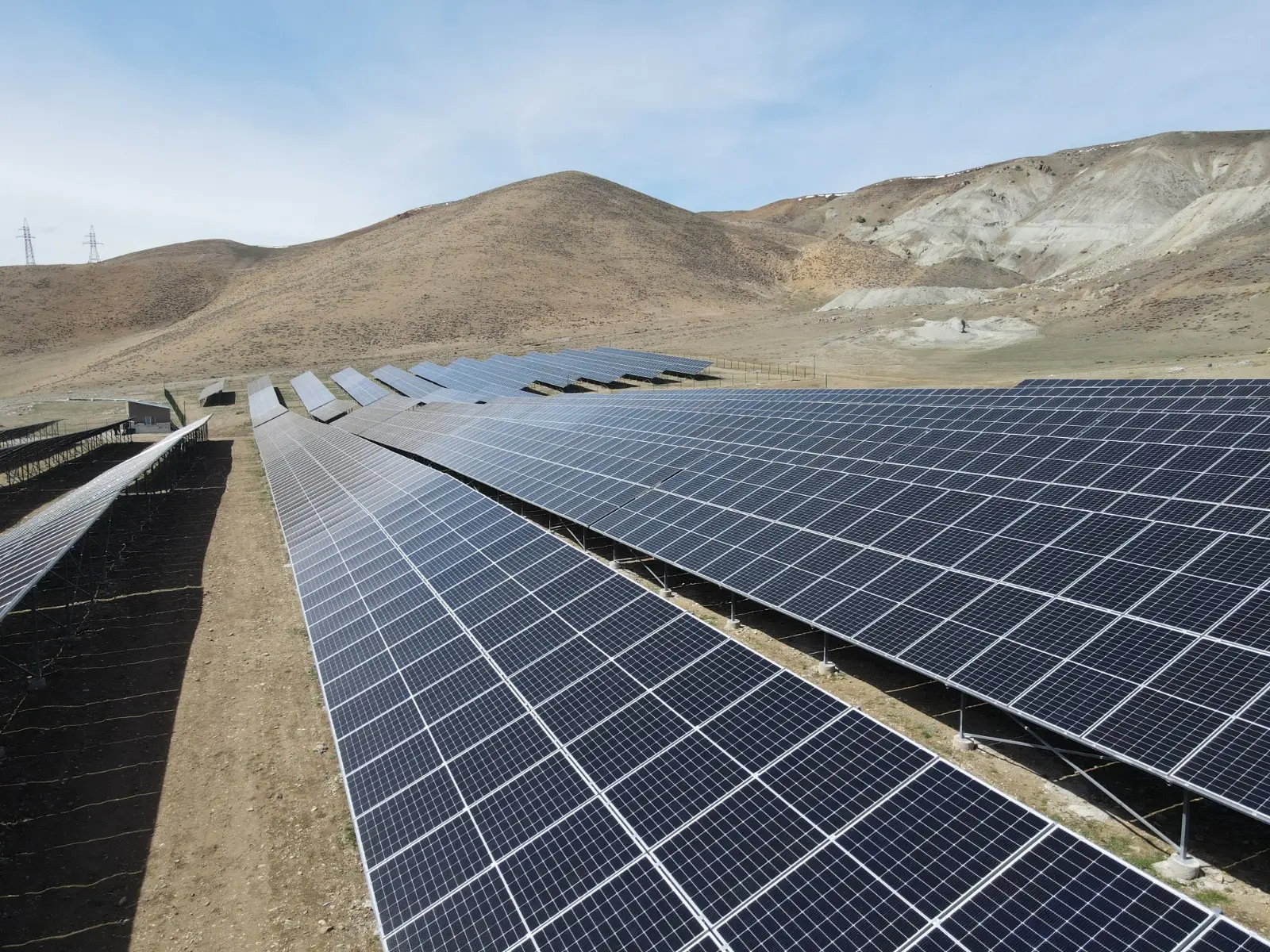
In recent years, the rapid development of renewable energy in Armenia has revealed certain legislative regulations that create unnecessary administrative obstacles for investments without generating additional value.
In particular, this concerns situations where solar power plants are installed in industrial areas for self-consumption purposes. In such cases, it is necessary to change the land designation of the portion of land used for energy purposes. However, if solar panels are installed on the roofs of buildings or structures, there is no need to change the land designation. At the same time, even if a single support pole is installed on the ground, the portion of land adjacent to that pole must have its land designation changed to “lands for energy, communication, transport, and utility infrastructure facilities.”
In practice, this regulation does not create any real value, as there are generally no grounds for refusing a change in land designation in the described cases. As a result, investment timelines are delayed and administrative costs are created both for businesses and for state (municipal) authorities.
The same issue also arises in cases where land designated for transport infrastructure is intended to be used simultaneously for energy purposes. For example, areas of bus terminals, pipelines, or highways cannot simultaneously be used as energy facilities (such as wind or solar plants).
It's proposed:
- Allow the construction and maintenance of buildings and structures used for energy purposes on lands designated for industry, subsoil use, and other production purposes, in which case the land plot’s designated use shall be considered changed under a simplified procedure.
- Allow the generation of electricity from renewable energy resources (wind or solar) on lands designated for transport facilities, provided that such use does not interfere with the primary intended use of the land as transport infrastructure.